

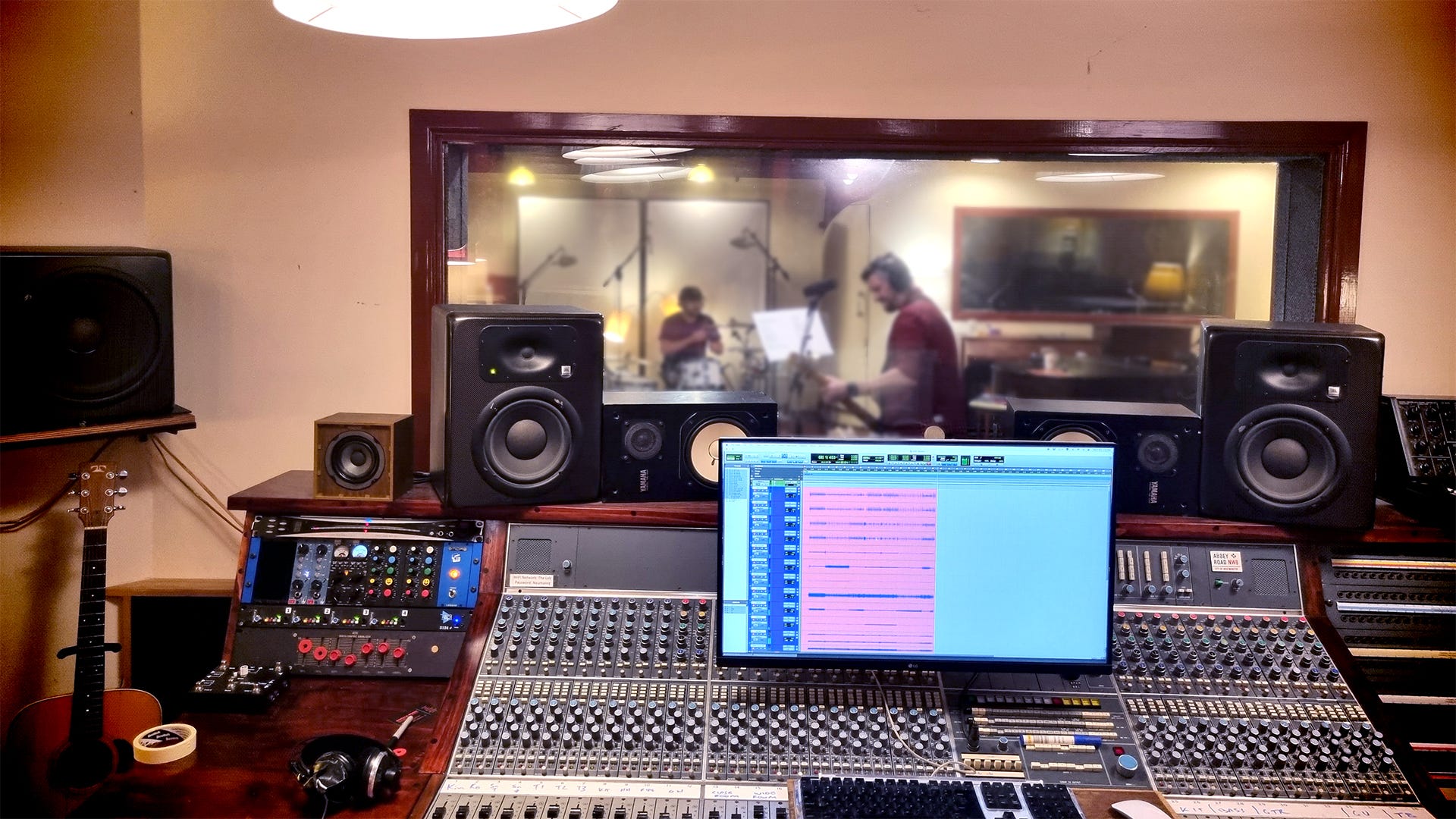
If you ask five different people what they think a music producer does, you might get five different answers. To some, it’s the experienced head in the studio control room, guiding a band through recording their song. For others, it’s a kid hunched over a laptop programming 808s. Some people might even think it applies to the person using an AI music-creation tool like Suno (let’s hope we haven’t gone that far...).
The term is confusing because it carries varied meanings. This is unfortunate, because some of the most vital, overarching roles of the traditional ‘record producer’ are at risk of being overlooked if artists don’t realise what they’re missing. Without the specialised oversight that a traditional producer provides, much of the music out there won’t reach its full potential.
This article looks at what a record producer does and why the role is so valuable in the music production process.
The Traditional Role: The ‘Director’ of the Record
In music, a producer can be understood as the audio equivalent of a film director; the person responsible for overseeing the entire creative, technical, and logistical execution of a recording project. Their main goal is to help guide an artist through the process of turning a raw song into its final, polished state. They are the objective ear in the room, responsible for translating the artist’s vision into a finished recording.
Their work generally falls into several categories:
Pre-production and arrangement: Before anyone even enters the studio, the producer works with the artist to choose which songs to record. They break down the songs to examine structure, tempo, and key, making arrangement decisions with the artist to ensure each track flows effectively. They can suggest what instrumentation is needed and help define the overarching sonic vision.
Recording and performance: The producer helps to choose the right recording space, hire necessary session musicians or engineers, and manage the schedule. During recording, they coach the artist’s performance. They know when to push a vocalist for a more emotional take, when to prompt a performer to adjust their playing, and when to wrap up the session once physical and creative energy is drained.
Post-production and oversight: Once tracking is complete, the producer oversees the editing process. They provide stylistic guidance to the mixing and mastering engineers and communicate feedback to make sure the final sound aligns with the original vision established in pre-production.
Project management: The producer is also an administrator. They are responsible for keeping the project within budget, managing schedules, and serving as the primary liaison among the band, the engineers, and other stakeholders, such as label representatives.
Defining Success Before Hitting Record
If goals haven’t been discussed beforehand, there’s a problem. How can a producer know if the project is headed in the right direction if there isn’t a shared understanding of what success looks like? Before tracking begins, a producer should get to know the artist by asking questions to define the project’s parameters.
Here are a few questions I always like to establish early on:
What kind of sound are you aiming for? What stylistic references do you have in mind?
Getting reference tracks from the artist can be extremely useful for envisioning the outcome. There are certain recording approaches and techniques that achieve a particular sound, so you need to know what the artist wants before you decide which ones to use. Should the guitars be double-tracked? Should the vocals have prominent harmonies or sound more like a single voice? What type of sonic space are you going for: a big, lush sound, or a thrashy punk aesthetic?
I’ve found that it can also be useful to request different references for different elements of the track. For example, requesting a reference where the artist likes the overall sound of the mix, one where they like the style of the drums, one for the vocal treatment, and one for the guitars. This is a useful exercise for the artist, and it can give the producer vital clues to inform their approach.
Is this song intended to be a single? Are we aiming for radio play and streaming playlists, or is this an ‘album track’?
The answers to these questions strongly influence production, particularly song structure. While there are exceptions, most songs that achieve significant radio rotation or streaming success fall within a specific duration window. Pop songs often sit in the 2:30 to 3:30 region, while rock songs might stretch to 4:00. Singles also benefit from being instantly recognisable, utilising characteristic elements right up front to catch a new listener’s attention.
Conversely, some tracks work best when duration isn’t a consideration at all. Perhaps a longer, more gradual intro is called for, or a bridge that changes gear for more than eight bars. ‘Album tracks’ aren’t necessarily just those that weren’t good enough to be singles; often, they help glue an album together by providing more depth, showcasing a broader range of an artist’s character traits.
What’s the budget for this project?
Beyond what the producer is paid, it’s useful to know how much money is available to cover production expenses (hiring studios, engineers, session musicians, etc.). If the budget allows, recording everything in a beautiful commercial studio with the same engineer for the whole project might make things run incredibly smoothly. However, the producer might know about decent smaller studios or have access to a home studio, which would likely be much cheaper and might still be suitable for everything except live drums. Hiring a big room just for the drums and then moving to a smaller space for overdubs can save a lot of money while maintaining top-tier quality.
What are you looking for in a producer?
Producers come with many different approaches, working styles, and specialist skill sets. Opening this dialogue with an artist ensures everyone is on the same page about how hands-on or hands-off the producer should be and which areas of expertise the artist hopes the producer will bring to the process.
One of the main benefits of asking questions like these is that the artist may not have actually thought about them yet. Prompting this discussion before production starts is invaluable. If the artist is a band, they might not be aligned on these goals; either they disagree, or just haven’t broached the topic. A producer can spark this conversation so everyone gets on board with a shared goal from the outset. Leaving these questions unasked until halfway through tracking is incredibly risky, as the creative choices you’ve already made might conflict with newly discovered goals.
Pre-Production: Where the Song Craft Happens
Early experiences for many new artists and bands often skip the pre-production stage entirely. Usually, this is because they either don’t understand it or don’t yet recognise how much value it can add.
The typical workflow might look like this: a band writes a song in the rehearsal room, gets it to a point where they can play it through start to finish, and then they find a local engineer to record it for a daily rate. They track the instrument parts, have them mixed and mastered, and release the song.
While a producer’s guidance is important during tracking and their oversight continues to steer the project toward completion in the later stages, pre-production is arguably where they add the most significant value. This is where the actual song craft takes place.
A good producer looks at the raw song and identifies where the fat needs to be trimmed, where the tension needs to build, whether the tempo needs adjusting, and whether the key truly serves the artist’s voice. This phase isn’t just about getting ready; it’s about enhancing the piece of work so that it has a greater impact and its essence is communicated more effectively. Having gone through this many times as both an artist and a producer, I’ve come to understand this as an essential part of the process; there are certain things that you just can’t fix in the mix, regardless of how good the mixing engineer is. By investing in pre-production, you ensure that the time spent in the studio is focused more on capturing a great performance of a great song, rather than building it on the spot.
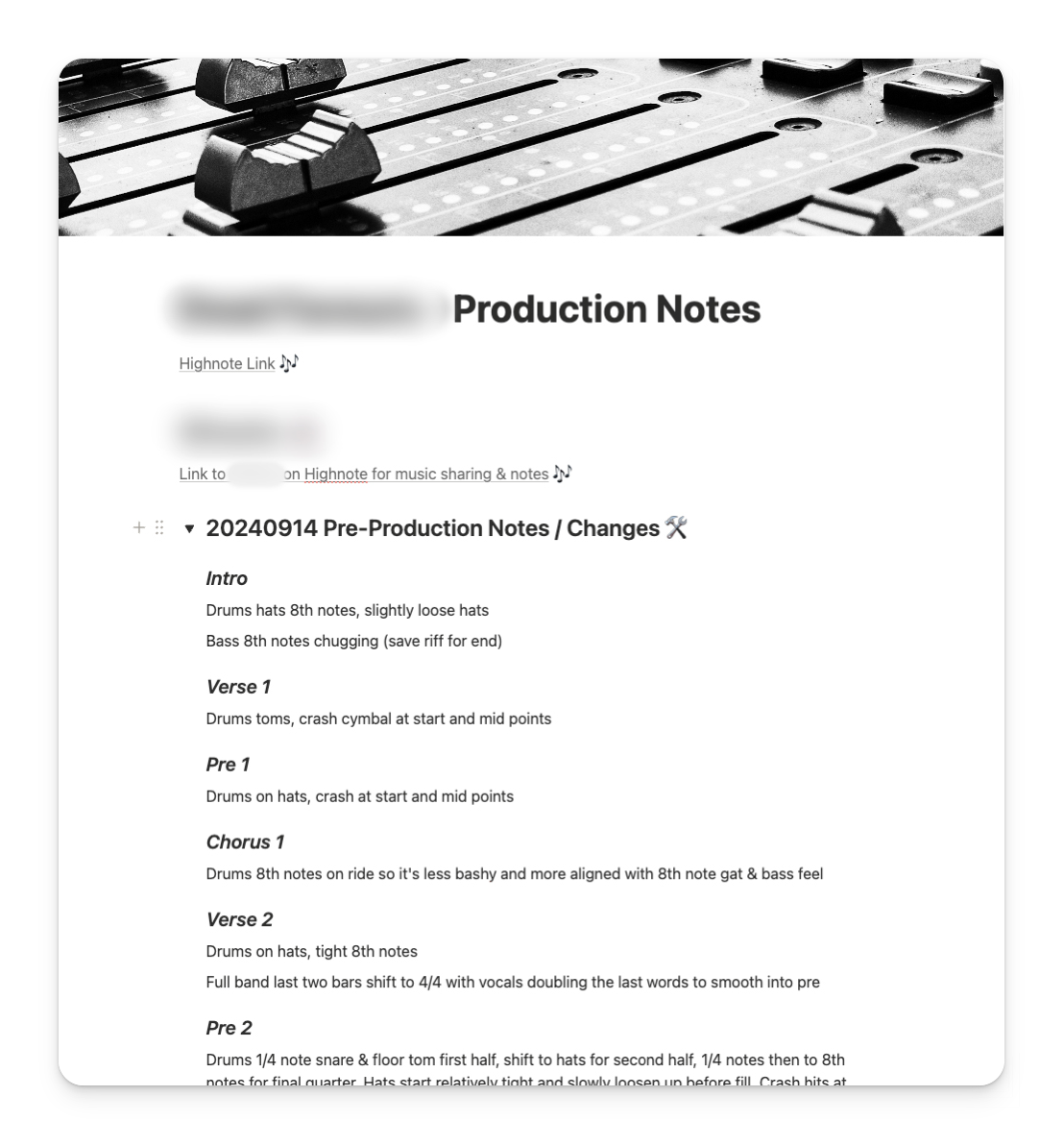
Unlocking the Full Potential
A producer is much more than a ‘nice to have’ technical facilitator or a studio administrator. They are a strategic partner whose primary goal is to help an artist reach a level of excellence they might not achieve on their own. By providing a bird’s-eye view of the project and handling the logistical and technical heavy lifting, the producer frees the artist to focus on the creative performance.
Whether you are a solo artist or part of a band, understanding the breadth of this role is a step towards creating more impactful music. An effective producer can be the difference between a good song and a great one, better capturing the artist’s vision and delivering it to the listener with greater clarity and impact.
💬 Have you ever spent time in a dedicated pre-production phase? What have your experiences been like?
ICYMI: My Latest Release
Copycat EP 01 is a collection of covers dedicated to artists who have influenced my musical identity. It was a gratifying creative challenge to transform the songs into something new with the sonic fingerprint of n1ghtmar3cat while retaining what made them special to me in the first place.


Brilliant post. My most enjoyable recording experiences have been with a proper producer. Like you've outlined so brilliantly in this article... someone who is involved in so much of the process. Particularly pre-production! Initially, I naively overlooked how important this stage was. The amount of fine tuning, new ideas and overall craft that was applied during this process, was incredible. And it saved so much time once we actually came to recording.
Get onboard with a producer that understands your needs, tastes... and can also introduce to a whole host of fresh ideas, approaches and creative suggestions. It's a game changer.
Great post! I've been lucky to work with a couple of producers on my own music over the years, and it definitely can upgrade the music. Mainly, I've learned so much from both of them. I've done some producing myself now as well.