

As musicians, producers and engineers, we spend our lives immersed in music, yet there’s a big difference between simply hearing a song and critically listening to a production. Passive listening might inspire you, but listening with intent and focusing on specific production and mix elements can train your ears and elevate your own production work.
Capture the Gold
Whenever I hear a commercially released track that grabs my attention from a production standpoint, I stop and make a note of it. This means I can come back to it later, listen intentionally, and figure out exactly what makes it so effective.
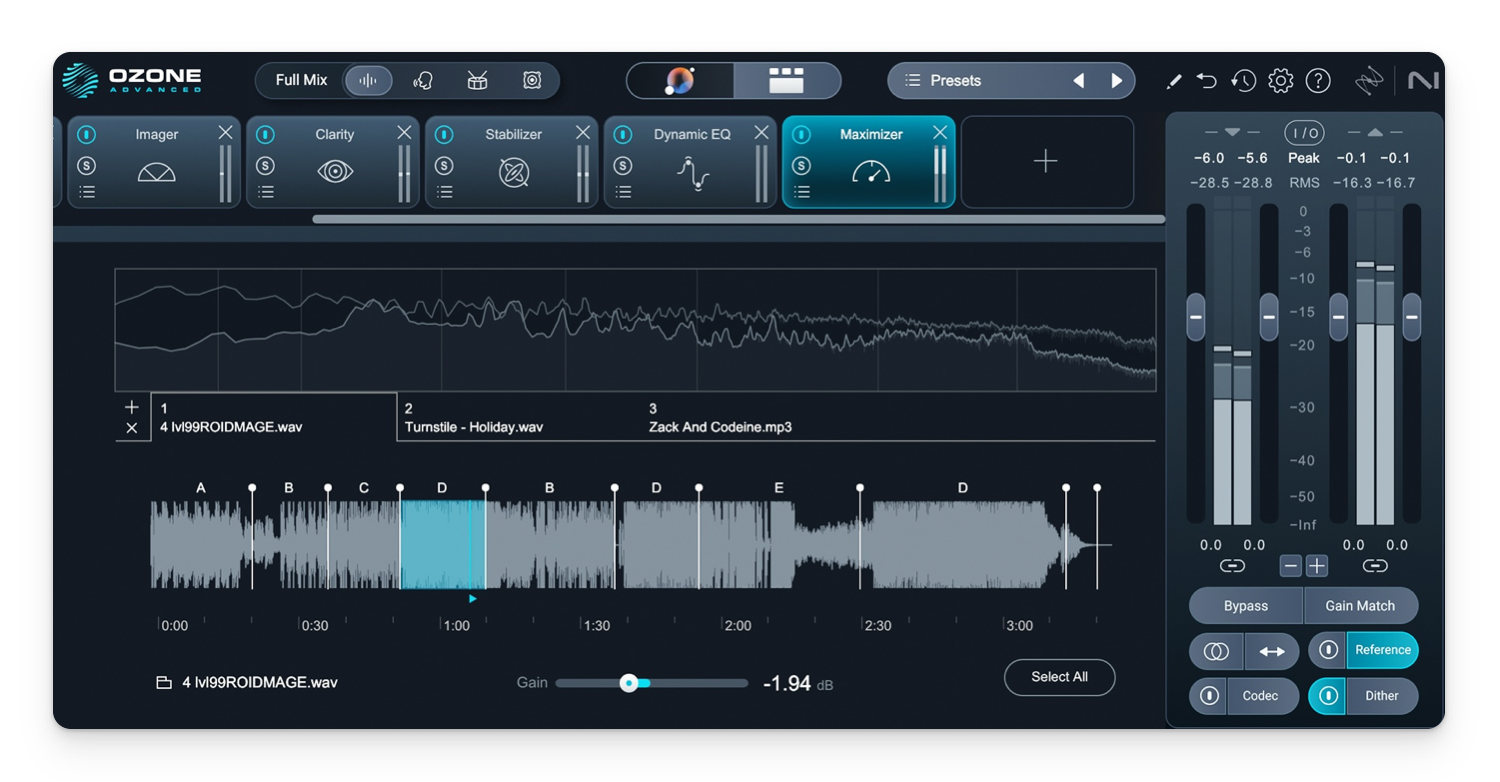
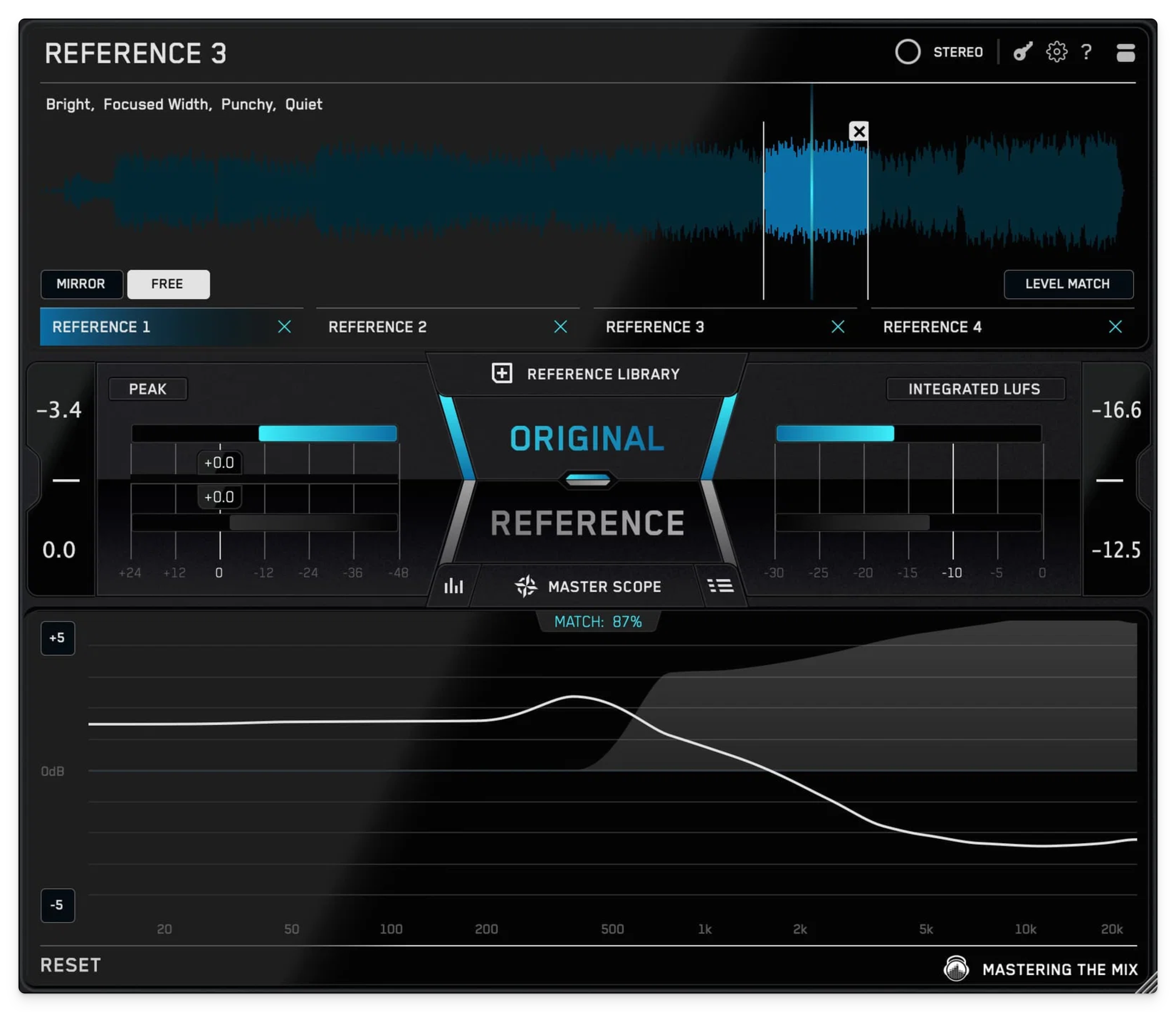
The next time I’m at my computer, I download a lossless version of the track (at least 44.1 kHz, 16-bit) from a high-resolution download site such as Qobuz and save it to a dedicated ‘References’ folder on my Mac. This means I can load it up during future mixing sessions using a referencing plugin like iZotope Ozone or Mastering The Mix’s REFERENCE.
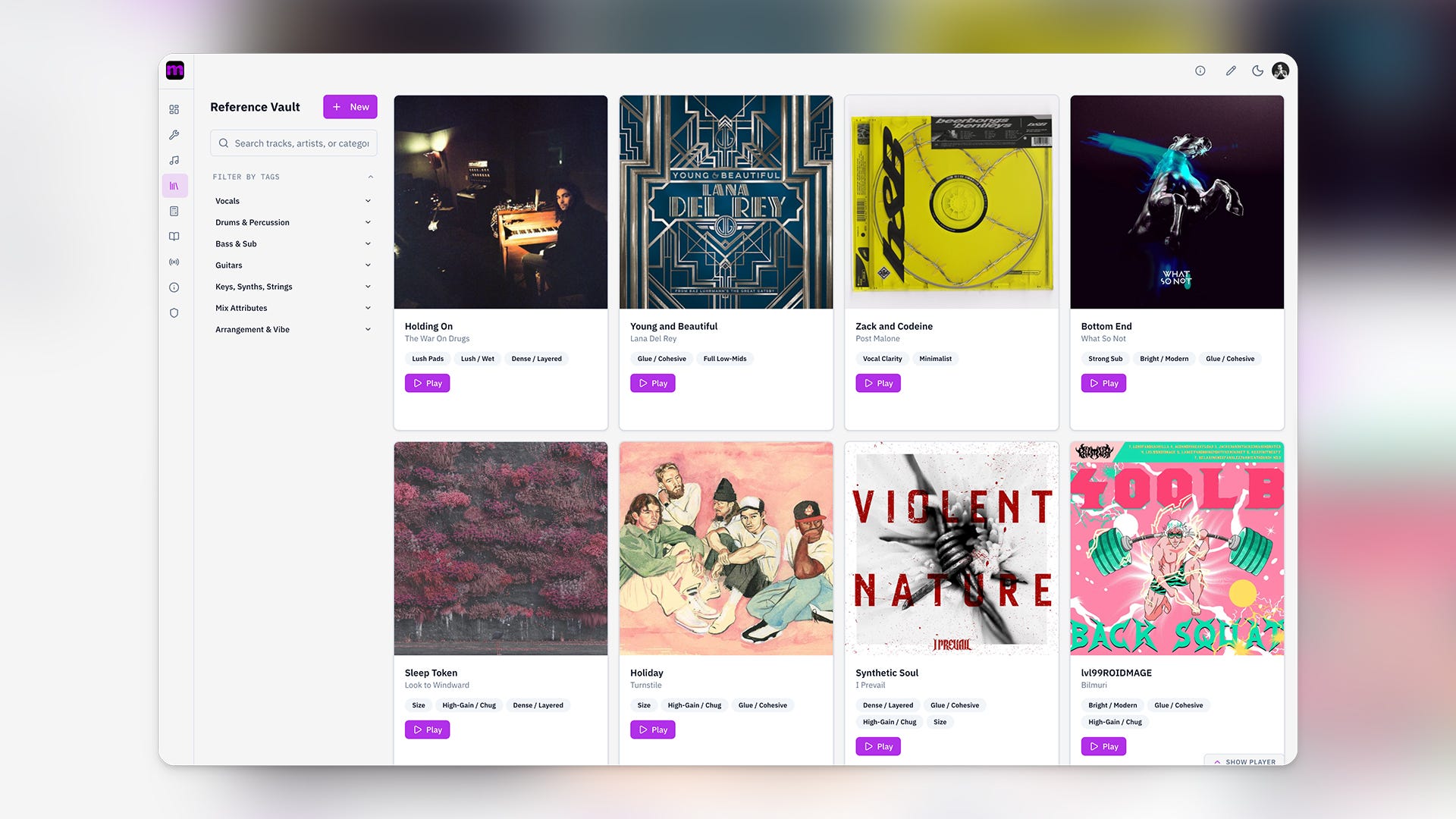
I also upload it to my online Reference Vault at The Music Factory Suite, where I can access it from anywhere and add searchable tags detailing what I love about the production.
Separate Technique from Taste
Listen intentionally to a great mix and try to reverse-engineer how the artist, producer, and mixing engineer approached the arrangement. To get the most out of this, you have to learn how to remove your personal taste from the equation. If you only listen to music within your favourite subgenres, you miss out on problem-solving techniques that other styles heavily rely on.
Having worked on music spanning rock, pop, and electronic, I can confidently say that cross-genre mixing is incredibly valuable. Anyone who has mixed both heavy rock and modern pop knows exactly how different the challenges are:
Pop Mixes: You’re often dealing with very clean, pre-treated elements. There’s often plenty of rich low-end and airy high-end in the material already, so making sure the tracks are well represented in the midrange can be a key focus.
Rock Mixes: Rock instrumentation is inherently midrange-heavy, so it’s often the complete opposite scenario here. When you throw all the faders up on an unmixed rock track, your immediate challenge is often to carve out space for each instrument in the dense wall of sound and make sure the vocals are intelligible.
If you dismiss great production because you’re “not into pop” or “that artist is lame”, you’re ignoring the work of some of the best mixing engineers in the world. Opening up to different genres allows you to borrow techniques from one style and apply them to another. You don’t have to like the artist or even the song, but you can broaden your toolkit by learning to appreciate the production in its own right.
Putting the Reference Vault to Work
Building a collection of reference tracks over time pays off. With your own tagged reference vault, you can quickly identify tracks with incredible vocal production, well-balanced lows, or whatever specific element you happen to be focusing on in your current session.
When setting up for a mix, I often play a few tracks from my vault to acclimatise to the listening environment. Even in a familiar room, this is a great way to recalibrate - especially if you regularly work across several studios or setups. It can help get you into the right zone.
It can also be useful to call on your personal reference vault when you’re several hours into a mix, when ear fatigue is setting in, and you feel your perspective starting to skew. Those low-end levels might actually be overpowering your mix, and that bright EQ boost on the vocals might be harsher than you think. Alongside taking breaks, stepping back from your mix and checking in on familiar tracks can be a great way to recalibrate and regain perspective.
Start Your Collection
Next time a track catches your ear, take note of the artist and song title. Dig a little deeper by finding out who produced it and who mixed it. Over time, you’ll notice the same names popping up, and you’ll start to recognise their sonic fingerprints and the influence they have on the tracks they work on. Actively study the work of these top-tier practitioners, and your own production will improve.
If you want a structured way to start your own collection of reference tracks, you can use The Music Factory Suite web app to build your own online Reference Vault with a two-week free trial. Paid Substack subscribers get a Pro account included as a standard perk.
ICYMI: My Latest Release
Copycat EP 01 is a collection of covers dedicated to artists who have influenced my musical identity. It was a gratifying creative challenge to transform the songs into something new with the sonic fingerprint of n1ghtmar3cat while retaining what made them special to me in the first place.


As I often opine on my column… know-how is not the same as know-what. Understanding how something is delivered is… crucial to the outcome. Learning from others, perhaps by deconstructing to reconstruct, similarly so.
Really good point about listening outside your usual genre. I save references for specific things—low end, vocal level, drum ambience—rather than the whole mix. Do you organise yours by genre or by what they’re useful for?